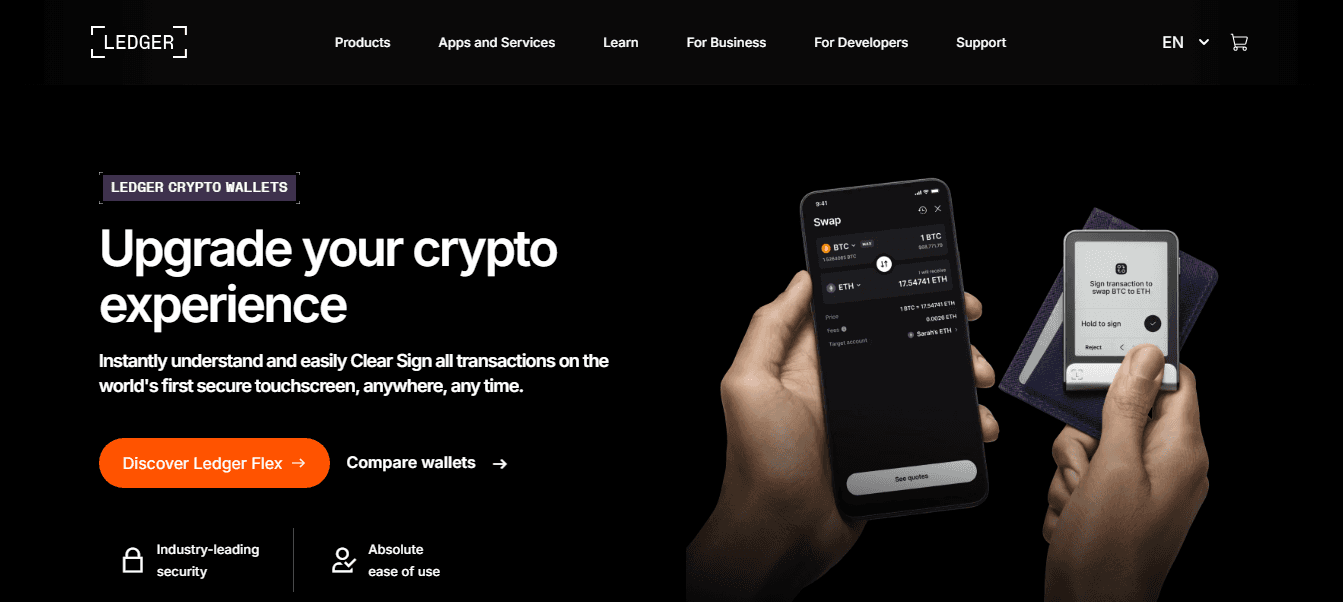
Ledger Live Login: A Complete Guide to Secure Cryptocurrency Management
In the rapidly evolving world of cryptocurrency, security and accessibility are paramount. Ledger Live, the proprietary software by Ledger, has emerged as a trusted platform for managing digital assets with the hardware wallet's robust security. One of the core functionalities of Ledger Live is its login process, which ensures secure access to your cryptocurrencies. In this comprehensive guide, we will explore everything about Ledger Live login—from setup and functionality to security, troubleshooting, and best practices.
Understanding Ledger Live
Before diving into the login process, it is essential to understand what Ledger Live is and why it is a cornerstone of cryptocurrency management. Ledger Live is a desktop and mobile application developed by Ledger, designed to manage crypto assets securely. It works in tandem with Ledger hardware wallets, such as Ledger Nano S Plus and Ledger Nano X, offering users the ability to:
View cryptocurrency balances
Send and receive digital assets
Manage multiple accounts and wallets
Install and update apps for specific cryptocurrencies
Access staking and DeFi features
Ledger Live is compatible with Windows, macOS, Linux, iOS, and Android, providing flexibility for both desktop and mobile users.
Ledger Live Login Process
The Ledger Live login process is designed to balance ease of use with high-level security. Unlike traditional web wallets, Ledger Live does not store private keys online. Instead, all sensitive operations require direct interaction with the physical Ledger device.
Step 1: Download and Install Ledger Live
To access Ledger Live, users must first download the application from the official Ledger website. This ensures the software is genuine and free from malware. Installing the app is straightforward:
Visit Ledger’s official website.
Select the version compatible with your operating system.
Follow the on-screen instructions to install the software.
Security Tip: Never download Ledger Live from third-party sites, as this could compromise your security.
Step 2: Open Ledger Live and Initial Setup
Upon launching Ledger Live for the first time, you are prompted to choose between:
Setting up a new device – For users who have just purchased a Ledger wallet.
Restoring from recovery phrase – For existing users recovering an account.
At this stage, you will also be asked to create a password for the app. This password does not replace your device PIN or recovery phrase but serves to encrypt your local Ledger Live data.
Step 3: Connect Your Ledger Device
For actual login and operations, Ledger Live requires the physical hardware wallet:
Connect your Ledger device via USB (for desktop) or Bluetooth (for Ledger Nano X mobile users).
Enter your PIN code directly on the device. This step ensures that even if your computer is compromised, the PIN remains secure.
Once authenticated, Ledger Live establishes a secure connection with your device, allowing access to your accounts.
Step 4: Access Your Accounts
After a successful login, Ledger Live displays all linked accounts, balances, and transaction history. Users can now perform tasks such as:
Sending and receiving cryptocurrencies
Installing apps for new assets
Checking real-time market prices
Participating in staking or other supported DeFi operations
Security Features of Ledger Live Login
Ledger Live login is intentionally designed to minimize risks of hacks and theft. Some of its key security features include:
1. Hardware Wallet Dependency
Unlike software wallets, Ledger Live does not have access to your private keys. Transactions require physical confirmation on the Ledger device, preventing remote compromise.
2. PIN Protection
The Ledger device requires a PIN code for all operations, and multiple incorrect attempts lead to device reset, securing your funds against unauthorized access.
3. Local Password Encryption
The Ledger Live app password encrypts local data, such as account information, preventing casual access to your wallet even if someone gains access to your computer.
4. Recovery Phrase Backup
In case of device loss, Ledger Live allows users to restore accounts using a 24-word recovery phrase, which must never be shared or stored digitally.
5. Two-Factor Authentication (2FA) Awareness
Although Ledger Live does not directly support 2FA, it integrates with platforms that require it, reinforcing overall security.
Troubleshooting Ledger Live Login Issues
Despite its streamlined design, users may occasionally encounter login problems. Common issues and solutions include:
Issue 1: Device Not Recognized
Cause: USB or Bluetooth connectivity problems.
Solution: Ensure the device is properly connected, update Ledger Live to the latest version, and check your USB cable or Bluetooth connection.
Issue 2: Forgotten Ledger Live Password
Cause: Users forget the local Ledger Live password.
Solution: Ledger Live does not allow password recovery. Reset the app and reconnect your Ledger device using the recovery phrase.
Issue 3: Application Errors
Cause: Corrupted installation or outdated software.
Solution: Reinstall Ledger Live from the official website and ensure your device firmware is updated.
Issue 4: Transaction Signing Failure
Cause: Ledger device not properly authenticated or outdated app.
Solution: Ensure your device PIN is correct and update the cryptocurrency app on the device.
Best Practices for Ledger Live Login Security
To ensure your Ledger Live login remains secure, follow these best practices:
Always Download from Official Sources: Avoid phishing attacks by using only the official Ledger website.
Keep Device Firmware Updated: Firmware updates include security patches and bug fixes.
Use Strong Passwords for Ledger Live: Encrypt your local data with a robust password.
Never Share Recovery Phrase: The 24-word phrase is the ultimate key to your funds.
Verify Transaction Details: Always confirm transactions on your Ledger device before approving.
Backup Your Device Securely: Maintain an offline backup of your recovery phrase in a safe location.
Ledger Live Mobile vs. Desktop Login
Ledger Live provides both desktop and mobile login options, catering to different user needs.
Desktop: Best for users who prioritize extensive asset management, large transactions, or detailed portfolio tracking.
Mobile: Provides convenience for on-the-go access with Bluetooth connectivity on Ledger Nano X. Mobile login maintains the same security protocols, ensuring private keys never leave the device.
Integrations and Advanced Features
Ledger Live login also unlocks advanced features beyond basic account management:
Staking: Ledger Live supports staking for certain cryptocurrencies, allowing users to earn rewards while keeping private keys secure.
Swap Services: Ledger Live integrates with decentralized exchange services for seamless asset swaps.
Portfolio Tracking: Real-time analytics help users monitor asset performance and manage risks efficiently.
NFT Management: Some cryptocurrencies and tokens, including NFTs, can be managed via Ledger Live.
All these features are accessible only after securely logging in with your Ledger device.
Conclusion
The Ledger Live login process exemplifies the balance between user-friendly design and high-level security. By combining a software interface with the hardware wallet’s security, Ledger Live ensures that private keys remain offline while providing robust portfolio management features. Whether you are a cryptocurrency beginner or an experienced investor, understanding the nuances of Ledger Live login is essential for securing and managing digital assets effectively.